



Article: Cotton, Polyester or Merino Wool: Best Materials for Socks?
Cotton, Polyester or Merino Wool: Best Materials for Socks?
Want to know the best materials for socks? For everyday dress socks, Scottish Lisle Cotton offers the best balance of breathability, comfort and durability. For year-round versatility and temperature regulation, merino wool is the top choice. Best to avoid? Polyester. This synthetic material traps heat, retains odour and raises sustainability concerns.
We've been designing and crafting premium socks since 2013 – named Best Sock Brand by GQ and trusted by hundreds of thousands of customers worldwide – so when it comes to materials, we know exactly what works and what doesn't. Read on to learn more.
Cotton

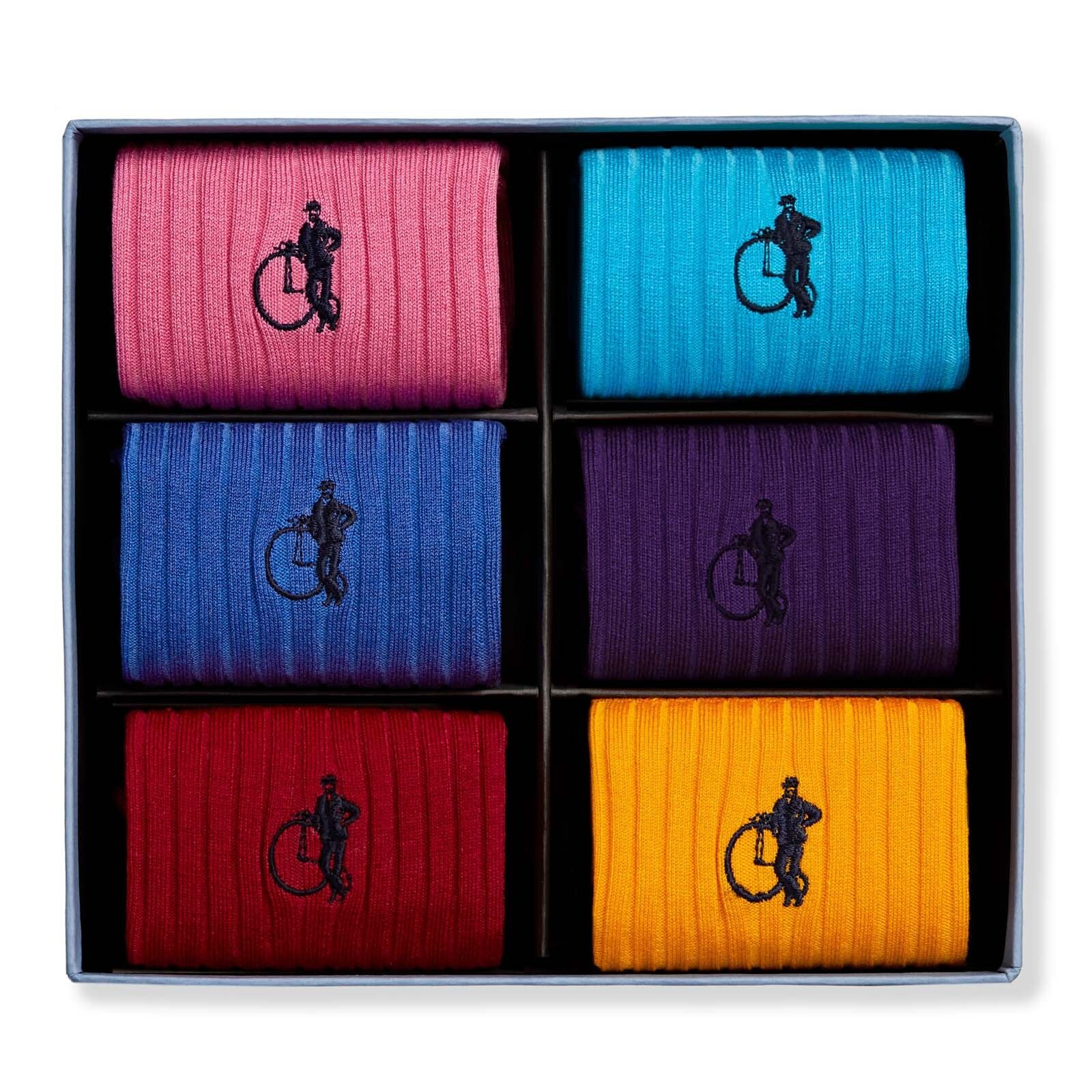
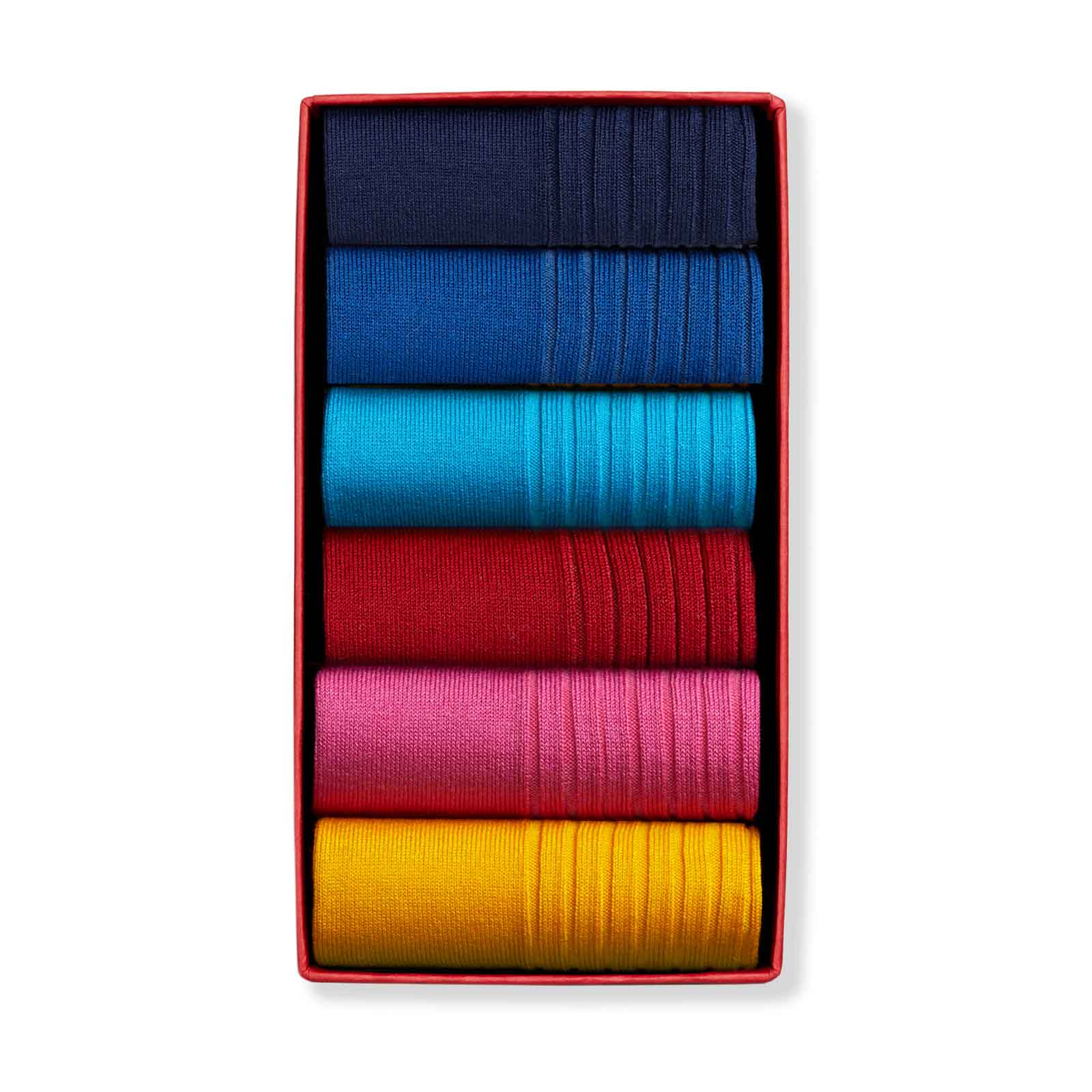
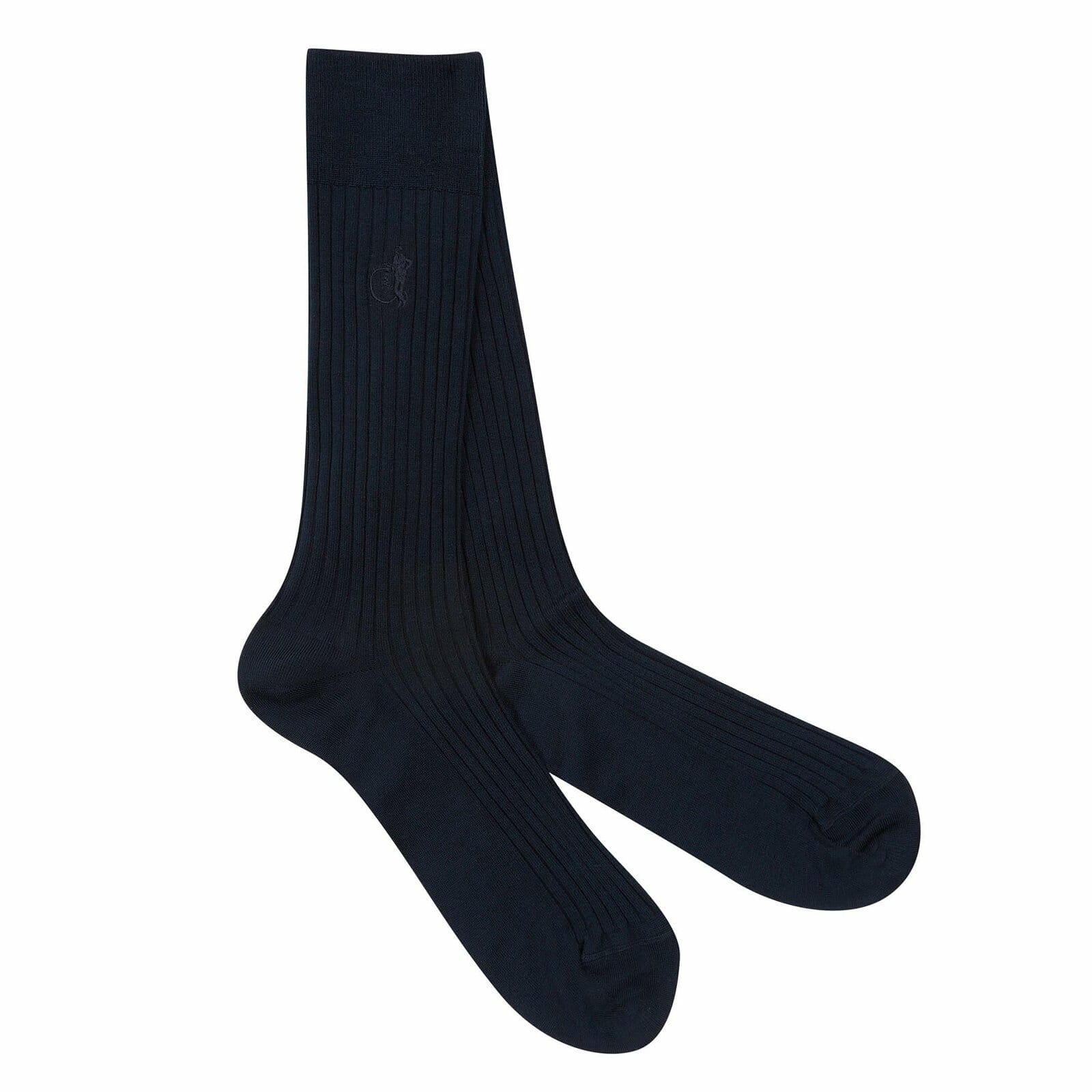
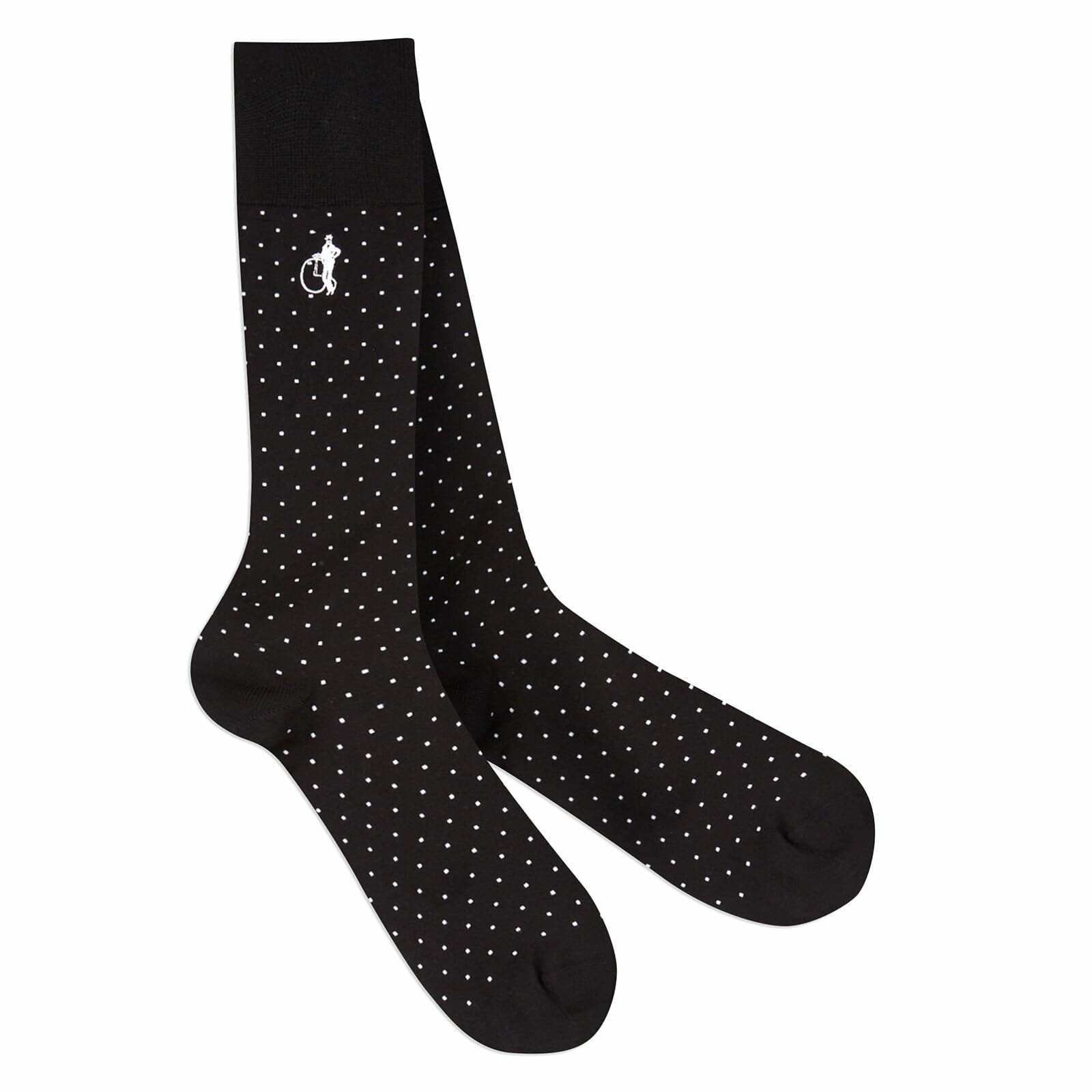
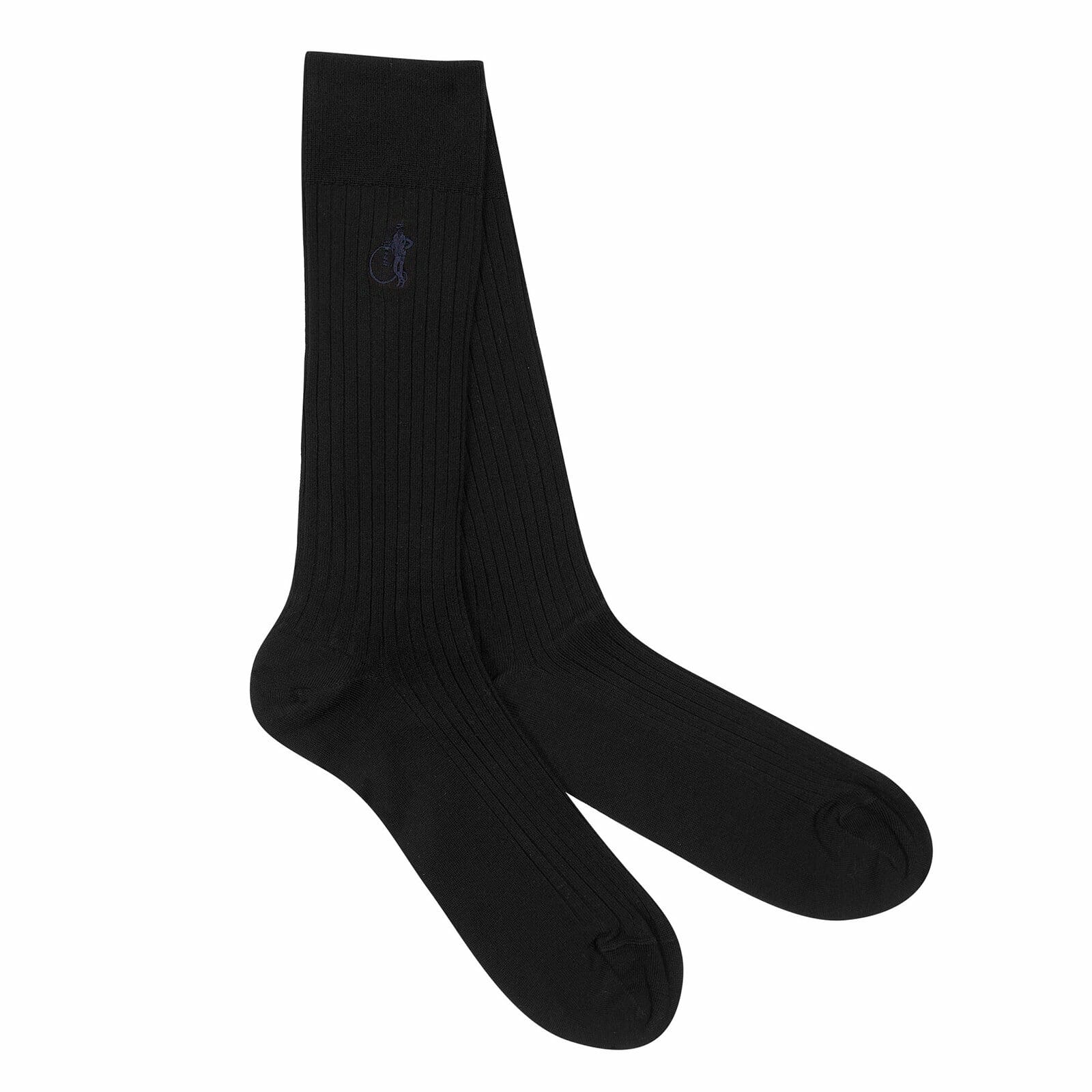
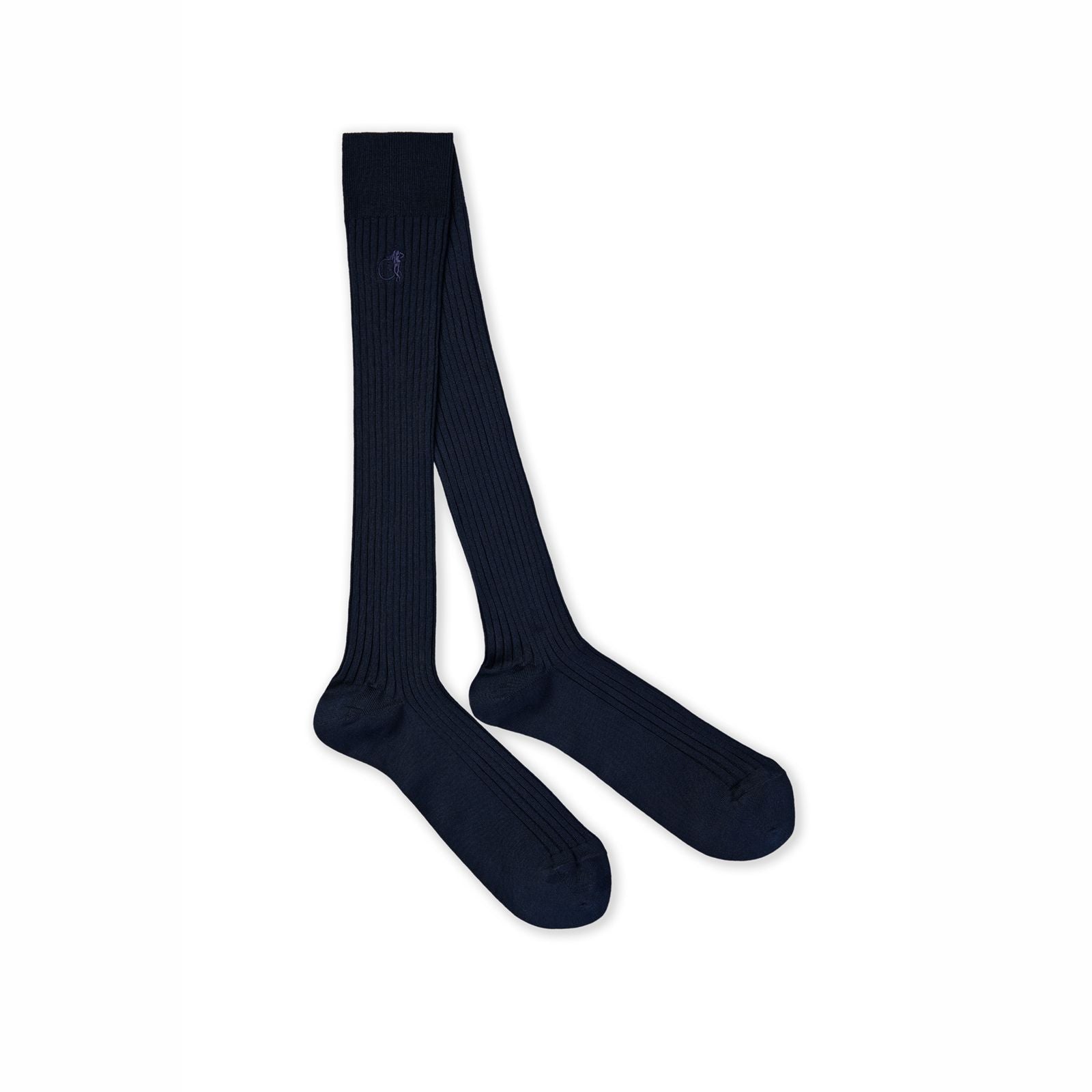
One of the most common materials for clothing, cotton offers breathability, durability and comfort. London Sock Company designs are primarily made with the finest Scottish Lisle Cotton, like our flagship Simply Sartorial styles. We also use super soft organic cotton.
What makes cotton so good for socks?
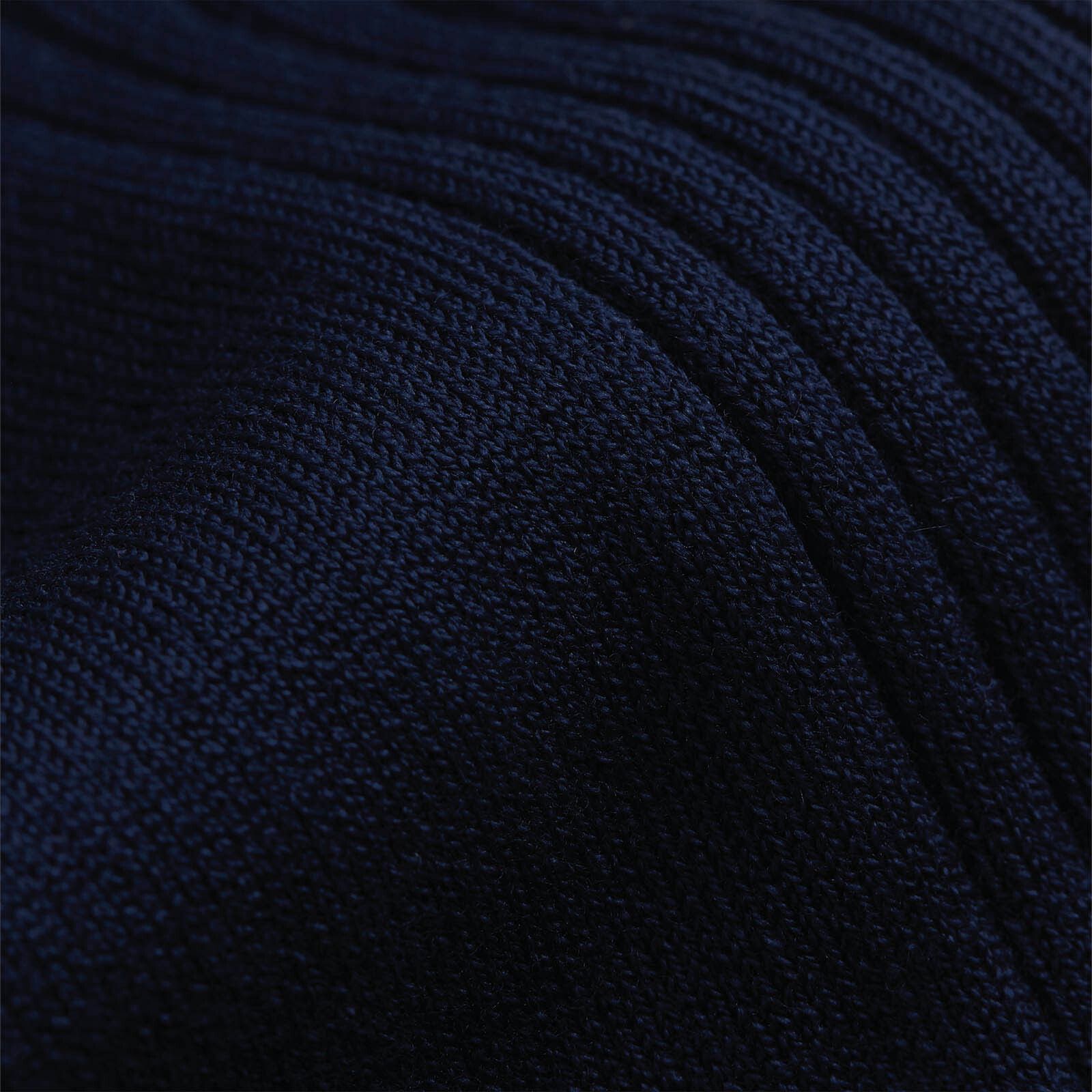
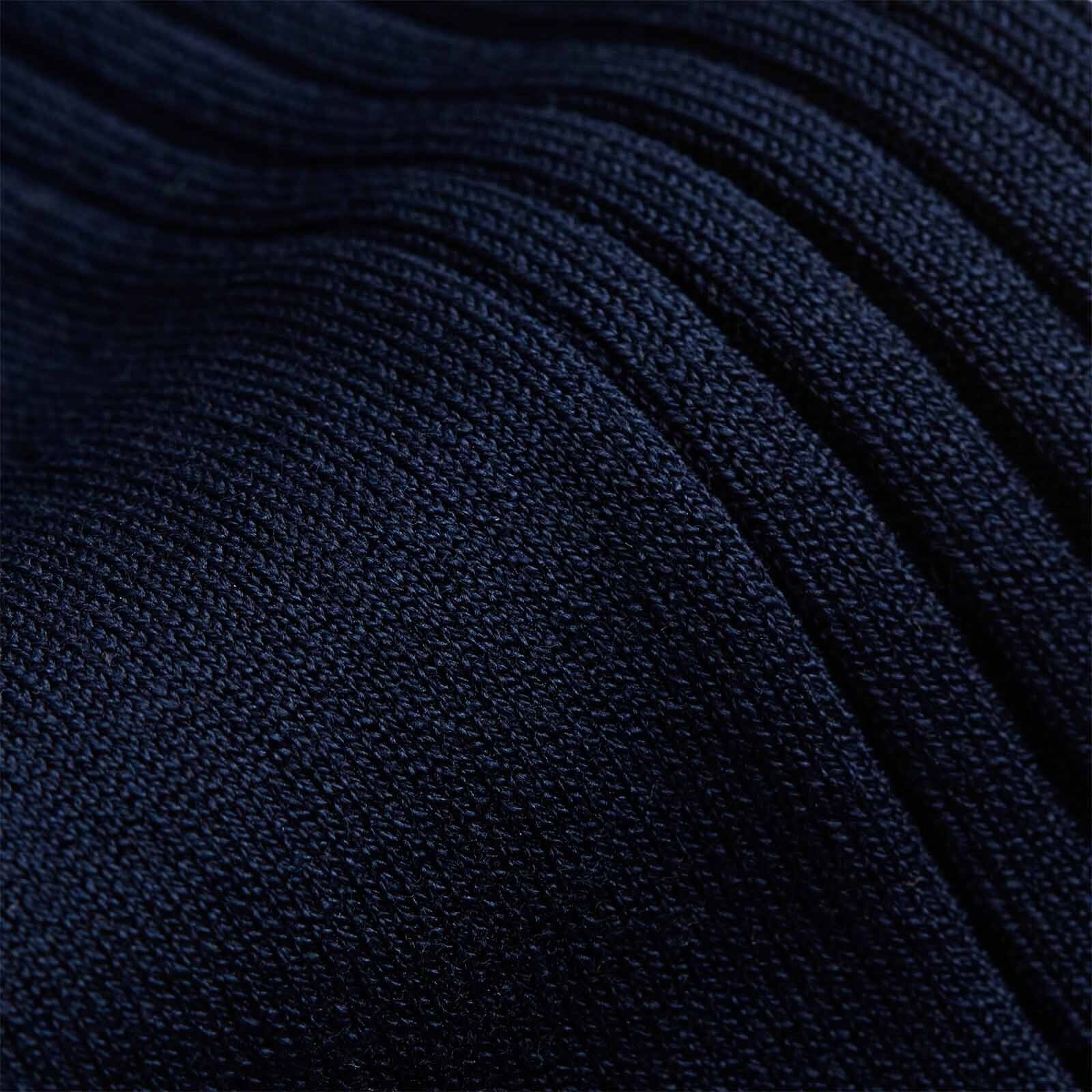
Cotton earns its place as the most widely used sock material for good reason. It's naturally breathable, absorbent and soft against the skin – three qualities that matter whether you're at a desk or on a run. For dress and everyday socks, high-quality Scottish Lisle Cotton is the benchmark: a tightly twisted, long-staple fibre with a natural lustre that sits smoothly against the skin, holds its shape wash after wash and pairs beautifully with tailoring. It's the foundation of a well-dressed wardrobe and the material behind the majority of LSC's flagship styles. For more active wear, cotton's lightweight, moisture-wicking properties come into their own – our Simply Active and Simply Trainer styles combine performance cotton with an anti-bacterial treatment to keep feet fresh during sport or long periods on your feet. The result is a material that transitions effortlessly from the boardroom to the weekend without compromising on comfort or quality.
Are cotton socks breathable?
Cotton socks will keep your feet cool and dry, which prevents any lingering odours throughout the day. Breathability is a key component of what makes a sock comfortable and high-performing – particularly with sports socks. As an added bonus, you can look for socks with an anti-bacterial treatment to avoid any ‘old gym socks’ smell. LSC's Simply Active sports socks and Boot Socks both offer this.
Is cotton a hypoallergenic material?
Soft on skin, cotton doesn’t contain harsh chemicals or materials that may aggravate any sensitivities you have. Socks should feel and look great, however or wherever you wear them.
Merino Wool

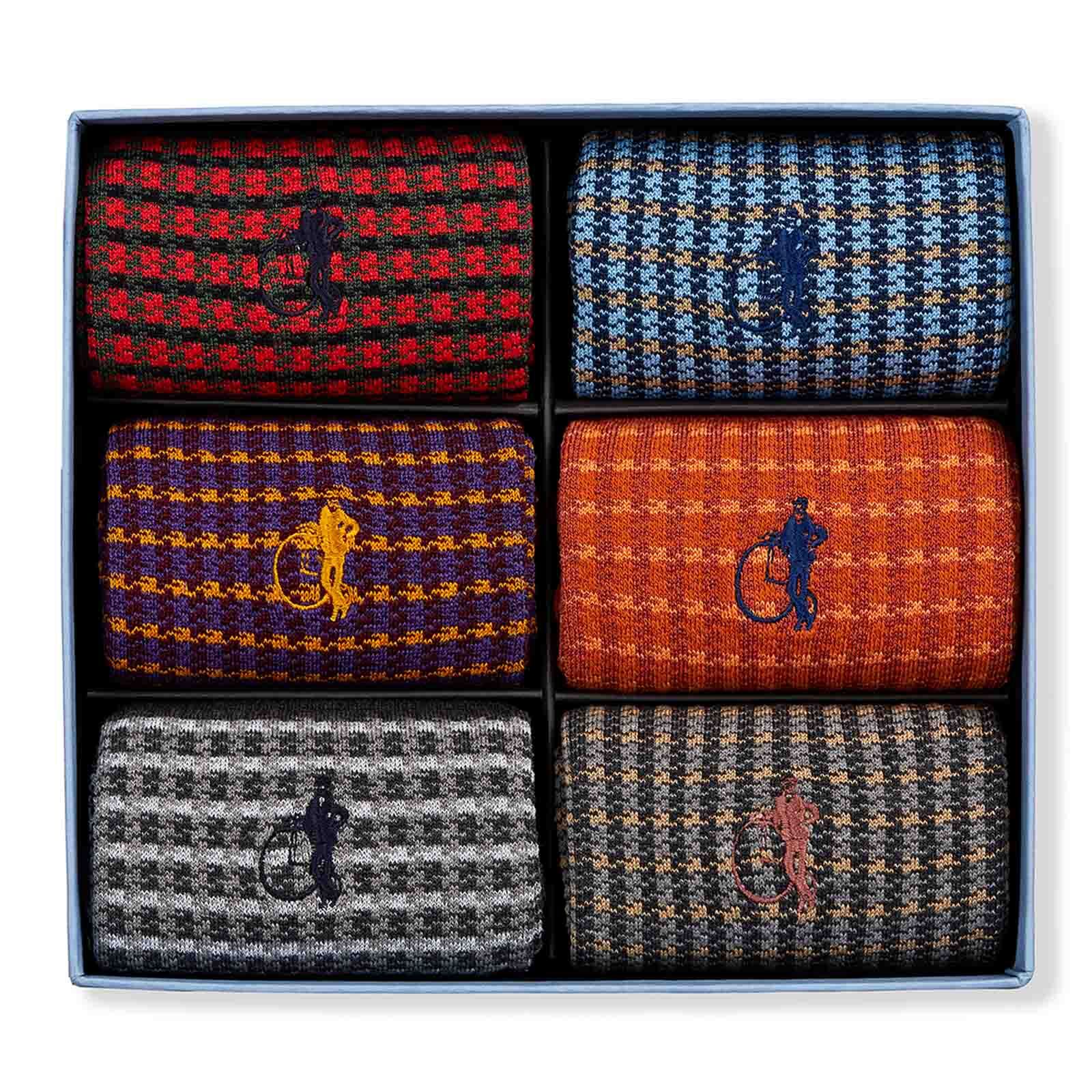
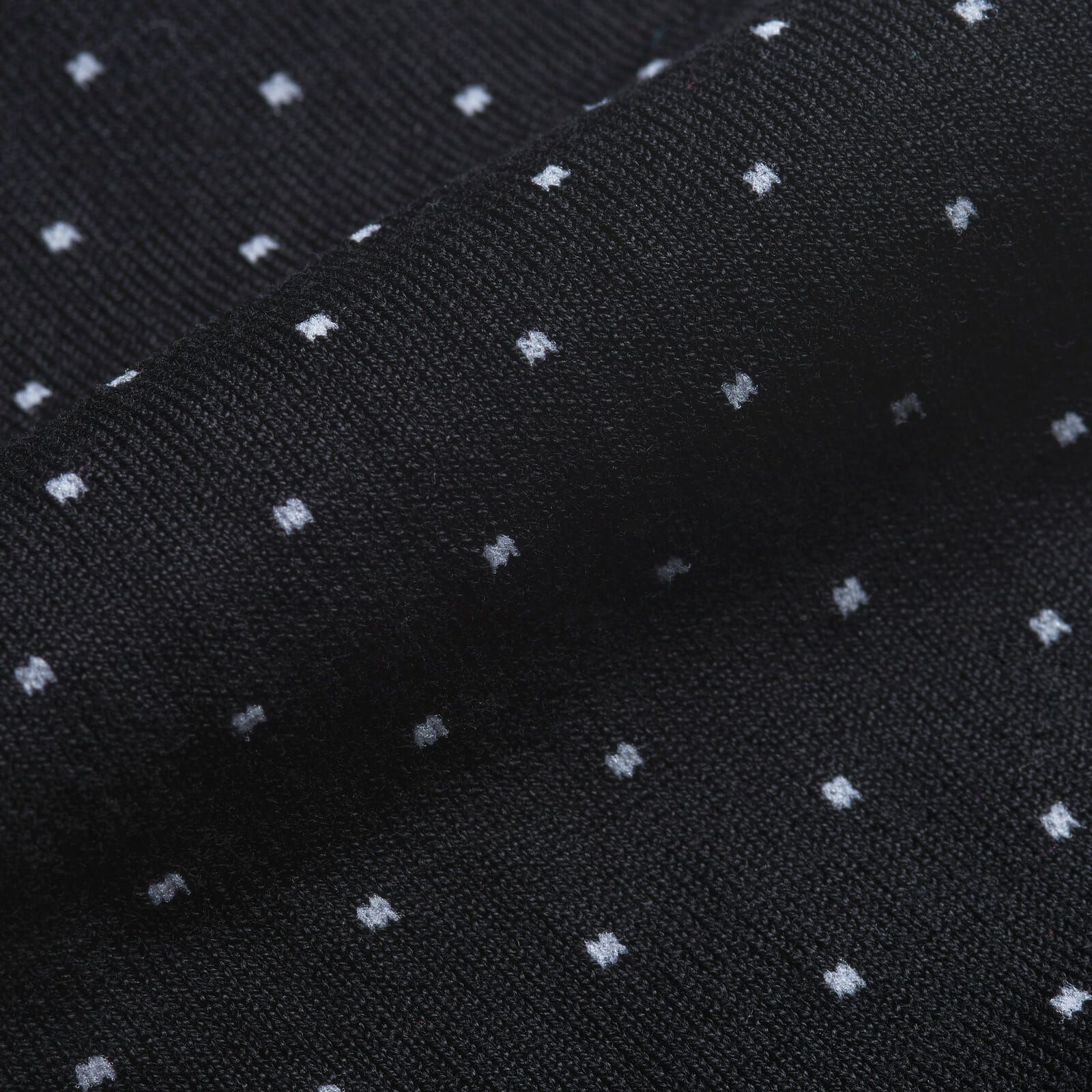
Merino Wool is one of nature’s highest-performing materials. As it is much thinner and softer than regular wool, it is the perfect material for socks. Specifically, Merino Wool fibres are typically 15–24 microns in diameter, compared to regular wool at 30+ microns.
Does Merino Wool regulate temperature?
Merino wool adapts to the temperature. When it’s cold, the natural fibres bend to trap in air and insulate your feet and when it’s warm outside, the wool moves sweat away from your body to keep you cool. This impressive natural process ensures that Merino Wool can be worn throughout the year.
Does Merino Wool smell?
Merino wool has antimicrobial properties that naturally repel odour-causing bacteria. This means you can wear Merino Wool socks for a long period of time, even on the warmest of days, without worrying.
Polyester
Unlike Merino Wool and cotton, polyester is a manufactured material. This synthetic fibre is formed of tiny strips of plastic woven finely together – so small you have to use a microscope to see them. Polyester is often used in clothing because it is very durable, requires no special care and is extremely strong – and in small quantities, it has a legitimate role in sock construction, adding stretch, structure and longevity to a blend.
The problem is when it becomes the dominant material. At London Sock Company, we've spent over a decade perfecting our blends – which is exactly why you'll never find 100% polyester in any of our designs. Our socks use natural fibres as their foundation, with only a small percentage of synthetic material to improve fit and durability.
Why do socks include polyester?
In small amounts, polyester serves a real purpose in sock construction. It adds stretch for a better fit, reinforces high-wear areas like the heel and toe and helps socks hold their shape over time and through repeated washing. The trick is the percentage – when polyester makes up 5–15% of the blend rather than 50% or more, you get the structural benefits without compromising on comfort or breathability. It's about using the right material in the right proportion.
Are polyester socks comfortable?
Socks made predominantly from polyester don't absorb moisture well, which can cause them to feel uncomfortable on warmer days, cling to the skin and retain unwanted odours. A small amount in a natural-fibre blend is fine – it's when polyester dominates the composition that comfort suffers.
Do polyester socks let your feet breathe?
High-polyester socks have limited breathability. Because synthetic fibres don't allow air to flow through them as freely as natural ones, heat and moisture can build up over the course of a day. This is why the balance of materials matters – a well-constructed blend keeps the benefits of polyester without sacrificing breathability.
Are polyester socks sustainable?
Polyester is a byproduct of petroleum, and there are genuine ecological concerns around its manufacturing and slow decomposition – polyester can take anywhere from 20 to 200 years to break down in landfill. It's one of the reasons we keep synthetic content in our socks to a minimum and prioritise natural, responsibly sourced fibres wherever possible.
Are polyester socks suitable for sensitive skin?
High-polyester socks can cause irritation for those with sensitive skin, as synthetic fibres are not naturally hypoallergenic. Using natural fibres as the primary material – as we do at LSC – significantly reduces this risk.

At London Sock Company, we steer clear of 100% polyester designs and design our socks with materials that we know are comfortable, breathable, and natural.
Material FAQs
Is merino wool or cotton better for socks?
It depends on what you need them to do. Merino wool is the more versatile performer – its natural fibres regulate temperature in both cold and warm conditions, wick moisture efficiently and resist odour far better than cotton. Cotton, particularly high-quality Scottish Lisle Cotton, excels for breathability, everyday comfort and dress socks worn in moderate temperatures. For year-round wear and adaptability, Merino wins. For lightweight, breathable dress socks in warmer months, a premium cotton is hard to beat. The good news: you don't have to choose – both deserve a place in your drawer.
Are polyester socks bad for your feet?
In short: yes, if comfort and foot health matter to you. Polyester is a synthetic material made from plastic fibres that don't breathe, don't absorb moisture and don't regulate temperature. The result is heat build-up, sweat retention and – inevitably – odour. For anyone prone to sensitive skin, polyester can also cause irritation. Beyond comfort, polyester raises sustainability concerns: it's a petroleum byproduct that can take hundreds of years to decompose. It's a material that does a lot of things adequately and nothing particularly well. Natural fibres – cotton, merino wool, cashmere – are a significantly better choice on every measure.
What materials are the most comfortable socks made from?
The most comfortable socks are made from natural fibres – specifically Merino wool, Scottish Lisle Cotton, organic cotton or cashmere, depending on the occasion. Merino wool is widely considered the gold standard for all-round comfort: it's temperature-regulating, durable, moisture-wicking, naturally soft and odour-resistant. For dress socks, Scottish Lisle Cotton offers a smooth, breathable feel that sits beautifully against the skin. Cashmere sits at the top of the luxury tier – exceptionally soft and warm and genuinely worth it. What unites the most comfortable socks is what they don't contain: an overload of synthetic fillers, cheap blends or materials that trap heat and moisture.
What socks are best for sweaty feet?
Merino wool is the standout choice for sweaty feet, which surprises most people who assume wool means warmth. Merino's natural fibres actively wick moisture away from the skin and its antimicrobial properties resist the bacteria that cause odour – meaning it performs better than cotton in high-heat or high-activity situations. For sport and high-intensity wear, a performance organic cotton such as our Simply Active style – which combines breathability with an anti-bacterial treatment – is an excellent alternative. The material to avoid is polyester: it doesn't absorb moisture at all, which makes the problem significantly worse.
Can merino wool socks be worn in summer?
Yes – and this is one of merino wool's most underrated qualities. Unlike standard wool, merino fibres are extremely fine (typically 15–24 microns in diameter, compared to 30+ microns for regular wool) which means they sit softly against the skin rather than scratching. More importantly, merino is naturally temperature-regulating: in warm weather, the fibres move moisture away from the body and allow heat to escape, keeping feet cool and dry. It's the same principle that makes merino a favourite with hikers and travellers who pack one pair for multiple days. In short: merino wool isn't just for winter. It's a year-round material that earns its place in your summer rotation too.
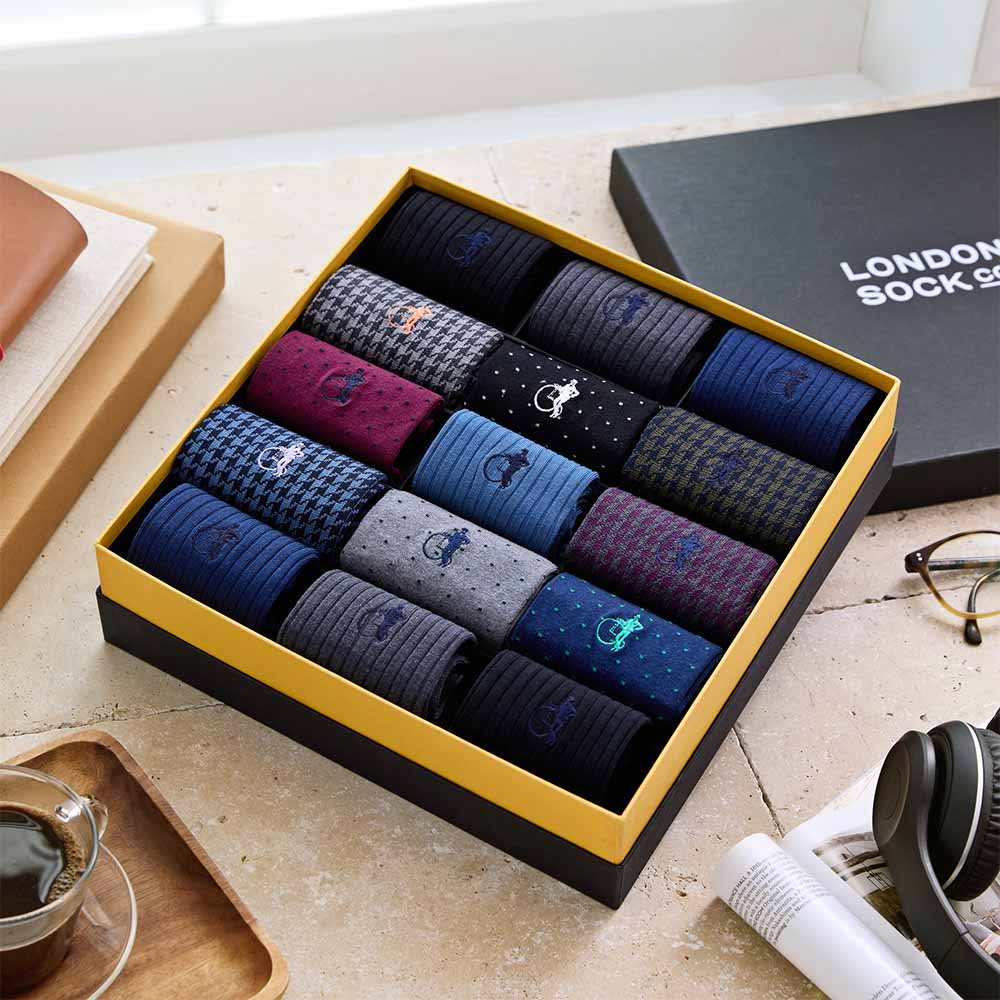
Discover our cotton and merino wool styles for high-quality, long lasting socks crafted from the best natural fibres.